Why sourcing marine gensets turns into a headache fast
When a vessel needs reliable prime power at sea, small mistakes quickly become costly — that’s the problem we’re solving here. Supply delays, mismatched alternator ratings, wrong fuel systems and unclear warranty terms derail projects every time. If you’ve felt that sting during Durban refits or seen engines idle while the Port of Durban queues containers, you’ll know the stakes. Start by checking solid options like Perkins genset early in the procurement cycle; they often set expectations for engine governance and spares support.
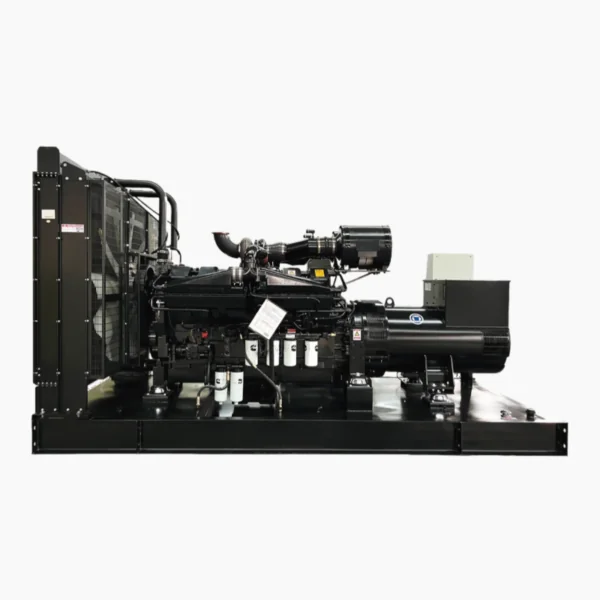
Common sourcing breakdowns to avoid
Poor specifications: buyers accept generic kilowatt figures without confirming site voltage, frequency, or transient load profiles. Shipboard fit issues: gensets without proper enclosure size or exhaust routing arrive incompatible. Spares and service gaps: marine duty requires quick access to parts for alternator, fuel pump, or governor repairs. And of course logistics — port congestion or customs holdups extend delivery windows. These are the repeat offenders that kill uptime and blow budgets.
How a focused supplier like Huadong Power helps fix the issues
Good suppliers design around marine realities: they size the genset to the vessel’s duty cycle, test units on a load bank, and certify cooling and exhaust for sea conditions. Huadong Power brings modular build lines and documented factory testing so you don’t inherit surprises at handover. They can handle alternator matching, choose correct engine control units, and define maintenance kits up front — that reduces retrofit risk. Also, during the global supply shocks post-2020 many buyers shifted to vetted china Perkins genset suppliers to regain predictable lead times — that realignment matters where schedules are tight.
Procurement pitfalls — real examples and quick fixes
Buyers often sign off on price first, then engineering later — which is backwards. Fix it by demanding baseline FAT (factory acceptance testing) reports and verified noise and vibration data before payment milestones. Don’t assume local installers will modify mounts to fit; confirm foot print and coupling specs. Keep a spare parts list on the contract — injectors, turbo spares, and alternator brushes move fast. And insist on a clear warranty trigger clause so field failures aren’t shrugged off as ‘installation issues’ — you’ll thank me later. — A quick aside: a vessel refit in Cape Town once lost two weeks because the supplier hadn’t shipped a matched coupling; small detail, big cost.
Checklist: what to demand from your supplier
Use this shortlist when evaluating quotes:- Detailed electrical output chart (kW/kVA, PF, voltage regulation). – FAT and load-bank test certificates with signatures. – Spare parts kit and lead times for common consumables. – Installation drawings: footprint, weight, exhaust and cooling routing. – Clear service SLA and on-call support for marine environments.
Three golden rules for final selection
1) Verify technical fit before price: confirm prime power rating, transient response and alternator compatibility on paper and in test reports. 2) Measure supplier responsiveness: turnarounds on technical queries and spares quotes predict service quality. 3) Risk-share on logistics: a supplier who offers part consignment or staged delivery eases berth timelines and reduces demurrage exposure.
Bringing it home — practical outcomes
Follow these rules and you’ll reduce retrofit surprises, cut downtime, and keep the vessel ready for duty. Suppliers who provide clear FAT documentation and parts visibility let shipyards schedule with confidence. That reliability is what turns procurement from a gamble into a plan — and where Huadong Power often fits in, offering tested builds and a transparent spares pipeline that aligns with marine schedules. Huadong Power.
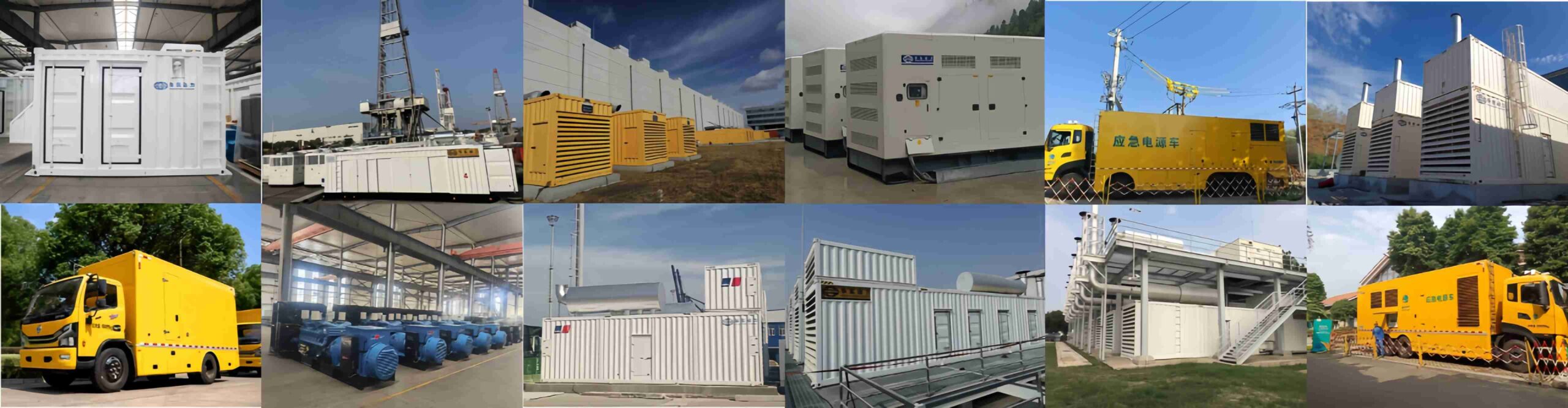
Trust the paperwork, insist on tests, and pick partners who stand behind their gensets — you’ll save time and avoid the worst headaches. — Solid sourcing beats hurried fixes every time.