Opening — Myths Awaiting the Blade
They whisper that all plastic sheeting is the same: a cheap veil for crops that will do its duty until the sky decides otherwise. That tale falls apart at the first inspection. Before you unroll a sheet, ask questions like a careful steward; ask a trusted greenhouse film supplier for test data and provenance. The myth-buster’s eye sees differences in thickness, light spectrum management, and seam strength — small things that govern seasons.
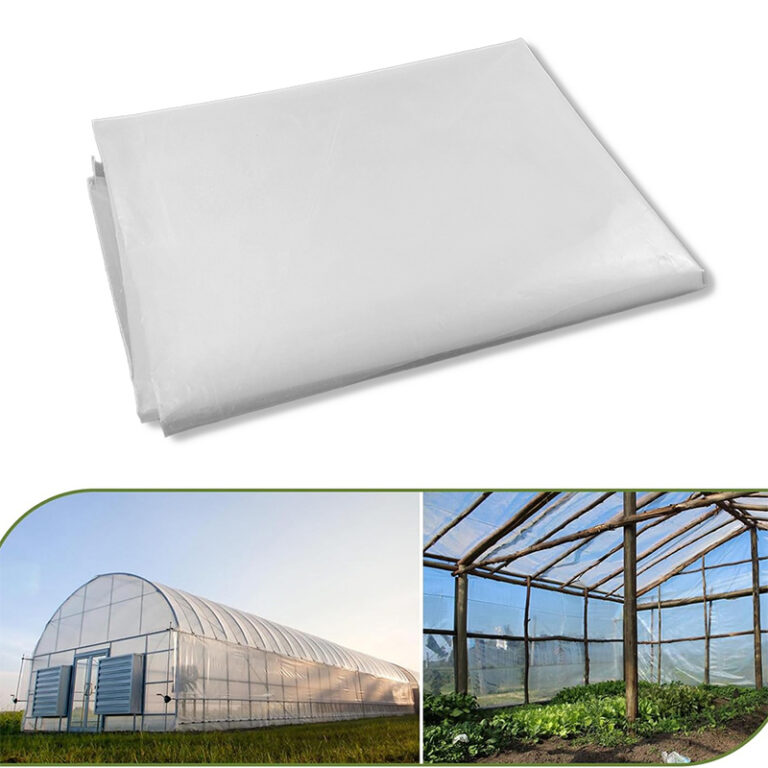
Five Persistent Myths — And the Truth Behind Each
Myth: Thicker = always better. Truth: Thickness helps, but material formulation (UV stabilizers, anti-condensate layers) matters more for longevity and crop microclimate. Myth: Any film will fit any frame. Truth: Wind load, frame type, and seam method demand specific films and fastening systems. Myth: UV rating on a label is all you need. Truth: Laboratory aging tests and real-world field data tell a fuller story. Myth: Clear plastic gives the most light. Truth: Diffuse films often boost uniformity and yield despite transmitting slightly less total PAR. Myth: Installation technique is secondary. Truth: Poor anchoring or wrong overlapping destroys intended warranties and performance.
Quality Checklist Before Installation
Inspect the certificate: confirm UV-stabilizer type and expected service life. Measure thickness at multiple points; confirm manufacturer tolerances. Request spectral transmission graphs — look for PAR and diffusion metrics, not just “light transmission.” Check tear and puncture resistance values and seam-weld specifications suited to your fastening method. Verify anti-condensate or anti-drip treatments for regions prone to humidity. Confirm warranty scope and exclusions, and record batch numbers for traceability. Finally, plan installation timing for calm weather and ensure trained hands handle the lay.
Common Pitfalls That Turn Good Film Into Bad Days
Stretching film too tight creates stress cracks; loose film flaps like a bell and abrades. Using the wrong sealing technique invites leaks and pest access. Ignoring storage conditions (folding wet film, exposing rolls to heat) shortens life. Mixing incompatible films on one span—one that sheds heat and another that traps it—creates thermal stress and condensation issues. Skipping post-install inspection after the first storm lets small faults become catastrophic.
Alternatives Worth a Thought
Glass and polycarbonate offer durability and light stability but cost more and change thermal dynamics. Multi-layer coextruded films balance longevity and performance, while anti-condensate coatings or diffusing additives can turn a plain sheet into a yield-improver. Consider mechanical upgrades—better clips, edge channels, and tensioning systems—before opting for the most expensive film; sometimes fastening fixes deliver the greatest return.

Experience, Evidence, and a Real-World Anchor
Practical evidence from long-standing operations in the Netherlands’ greenhouse sector shows the value of pairing film choice with proven installation protocols; growers there routinely publish performance data that informs global practice. My recommendations rest on field trials, material test reports, and standards observed by commercial growers; check the supply chain and request batch-level results from your vendor, and consider bulk procurement options like wholesale greenhouse film when consistency matters across many spans. That combination of tests, field practice, and traceable sourcing builds reliable decisions.
Closing — The Cloak Chosen Well Protects the Garden
Discard the old tales and choose with measured curiosity: verify material specs, confirm installation method, avoid the common mistakes, and weigh alternatives against real needs. When film performance and consistent supply are part of the equation, trusted partnerships matter; growers often find the uninterrupted rhythm of seasons when material, method, and supplier align with practical checks from suppliers such as HGDN.