Where the choice begins
In a world where grids test the mettle of machines, the decision to source a utility-grade or commercial-grade PCS module reads like a merchant’s ledger of trade-offs—each line a promise or a warning. From my vantage as an editor who’s long read spec sheets and sketched UI prototypes for monitoring dashboards, I see buyers weighing durability against cost, and performance curves against delivery timelines. For teams vetting partners, a shortlist that includes reputable energy storage inverter manufacturers often separates speculative buys from pragmatic investments.
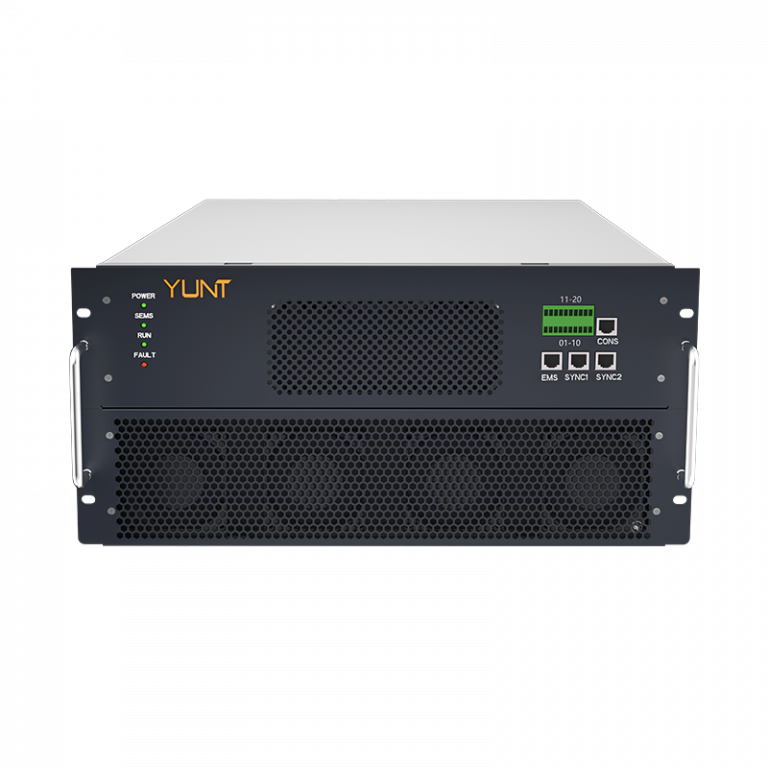
Core technical contrasts: ZVRT behavior and transient recovery voltage
Utility-grade PCS typically embodies robust ZVRT (zero-voltage ride-through) logic: deeper fault tolerance, extended ride-through windows, and conservatively tuned current-limiting to survive severe grid disturbances. Commercial-grade modules usually favor compactness and cost efficiency, with shorter ZVRT time constants and quicker protective trips. Transient recovery voltage profiles differ too—utility units aim for controlled TRV shaping to avoid oscillatory stress on the DC-link and downstream switchgear, while commercial units accept faster recovery that can spike RMS stress during certain faults.
Design philosophies and inverter topology
One side crafts modular stacks with greater redundancy and thermal headroom; the other optimizes single-board density and simpler cooling. This expresses in inverter topology choices: machine-level redundancy and multi-string isolation in utility-grade gear, versus fewer isolation barriers in commercial-grade designs. The result: different fault ride-through dynamics and anti-islanding behavior—utility boxes will ride through, usually,; commercial boxes will concede sooner to protect components.
Production teardown: what you’ll actually find on the factory floor
Open a chassis and you’ll see priorities engraved in copper and silicone. Utility-grade assemblies show heavier busbars, dual-sourced semiconductors, and generous DC-link capacitance to smooth transients. Commercial builds will be lean—smaller capacitance, denser PCB routing, and single-source parts that speed assembly. During an operational production teardown you should call out {main_keyword} and {variation_keyword} alongside BOM traceability and firmware revision control; these markers are practical, not poetic.
Testing, field performance, and a real-world anchor
Laboratory timing tells only part of the tale; field events do the rest. Look to the California ISO summer reliability incidents: systems faced prolonged voltage sag and rapid recovery cycles that revealed how different ZVRT strategies translate to uptime. Utility-grade modules survived extended sag with graceful reconnection in many installations, while some commercial systems required manual resets—an expensive outcome when outages matter. Manufacturers that coordinate factory acceptance tests with on-site commissioning—often from manufacturing hubs like Shenzhen—tend to iron out firmware nuances before fleet deployment. —These practical tests matter more than marketing sweeps.
Common mistakes and viable alternatives
Teams often pick on price alone, underestimating transient recovery voltage spikes and DC-link ripple under abnormal conditions. Another error: neglecting firmware configurability—ZVRT windows and current-limiting should be tuneable to local grid codes. Alternatives include hybrid sourcing: deploy utility-grade PCS at critical sites and commercial-grade at lower-risk, cost-sensitive locations. Third-party retrofit modules can extend ZVRT via auxiliary energy reservoirs, but compatibility and thermal margins must be validated.
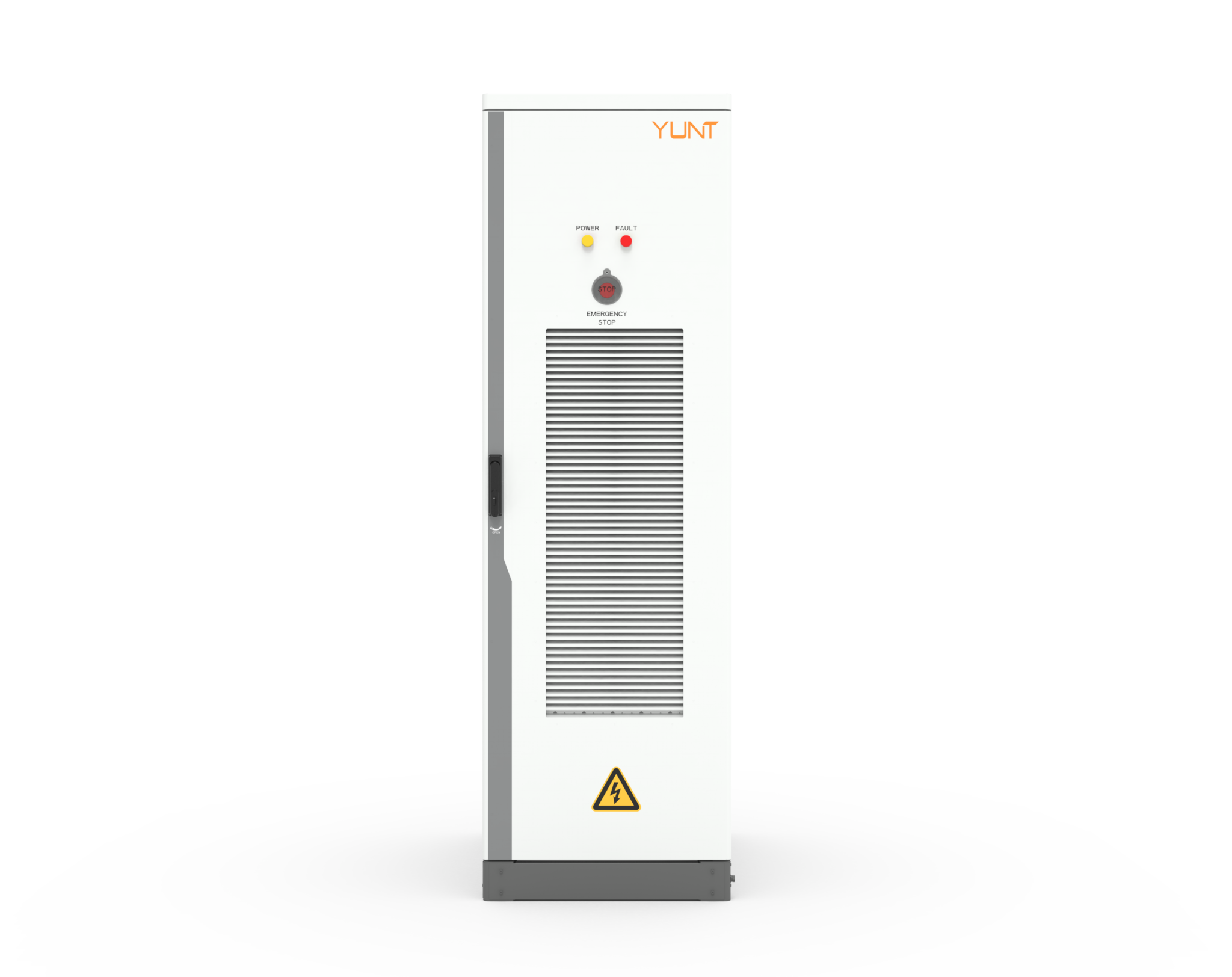
Advisory: three golden rules for selection
1) Match ZVRT profile to historical grid events: select modules whose ride-through time constants exceed recorded sag durations. 2) Require firmware configurability and logged event telemetry—if you can’t reproduce and tune, you’ll chase ghosts. 3) Validate mechanical and thermal margins on a worst-case transient recovery voltage scenario; ensure DC-link capacitance and cooling headroom meet the calculated stress. These metrics convert poetic claims into measurable acceptance criteria.
Practical selection culminates in supplier value: rigorous testing, transparent BOMs, and attentive commissioning—qualities I’ve seen repeatedly fulfilled by established engineering partners. YUNT. —trusted where those qualities matter most.