The Problem: Operational Fault Lines in Traditional SIM Models
I remember standing in a cold warehouse at Rotterdam Port in March 2021 watching technicians swap out hundreds of physical SIMs from telematics gateways—anodized metal units bound for refrigerated trailers—after a cross-border roaming failure reduced delivery throughput by 18%. As an iot connectivity provider I have tracked dozens of similar incidents where legacy SIM provisioning and manual field swaps created maintenance spikes, unexpected roaming charges, and inventory headaches. In that scenario—1200 devices, four carriers, one failed negotiation—what operational choices actually prevented repeat failures?
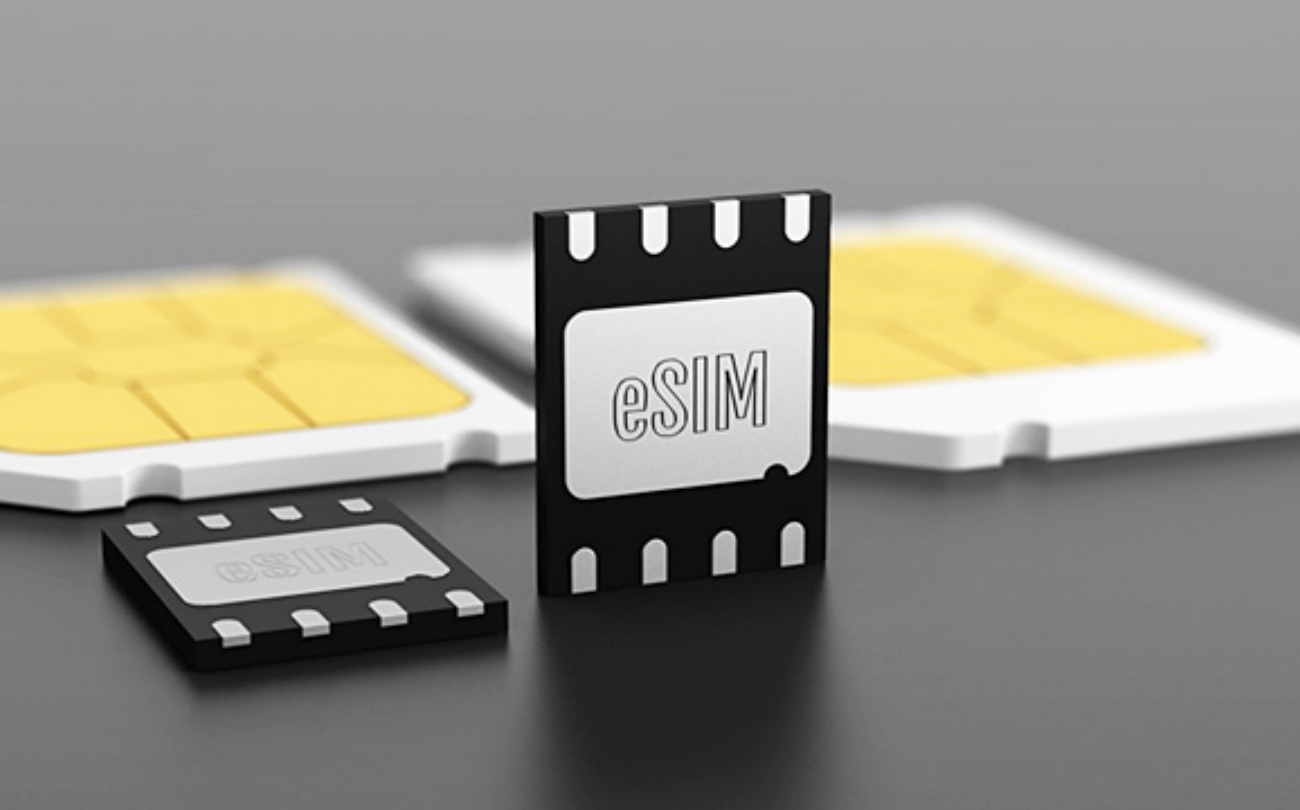
Over the last 16 years working in B2B supply chain, I have learned that the visible symptoms (lost packets, SIM swaps, downtime) mask deeper faults: brittle supply chains for SIM stock, slow OTA provisioning cycles, and opaque MVNO agreements that shift costs unpredictably. I use the term eSIM deliberately: moving to a 5g esim solution surfaces those hidden pain points because it changes where control must sit—platform, not plastic. The core industry terms here—eSIM, OTA provisioning, MVNO, roaming—are not just jargon; they map directly to failure modes I have logged in our deployment dashboards. No kidding, the ROI calculations flip once you quantify technician-hours, cross-border fees, and missed delivery SLAs. (This is where wholesale buyers need to look.)
Real-world triggers
I vividly recall one contract in July 2019 where a single country-specific SIM stockout cost us €32,000 in expedited replacements and penalties; the fix required remote profile activation that traditional SIM fleets could not supply. That experience convinced me that the deeper problem is not SIM price but the fragility of provisioning workflows and the lack of dynamic carrier selection at the device level.
Comparative Outlook: Adopting a Forward-Looking 5G eSIM Approach
Technically speaking, a modern 5g esim solution replaces physical logistics with profile management, allowing devices to switch carriers via OTA updates and to optimize for latency, cost, or coverage in near real time. I draw a distinction: traditional SIM fleets create fixed points of failure; eSIM and remote provisioning create programmable endpoints. In my deployments across northern Europe in 2022, switching to eSIM-capable cellular modules cut cross-border provisioning time from days to under two hours, materially improving on-time performance. This is not hypothetical—it’s measurable.

Comparatively, some providers tout broad network access but still require manual profile burns or lock profiles to single MVNO contracts; others offer dynamic carrier selection but with opaque SLAs. I recommend evaluating both the control plane (profile lifecycle, OTA reliability) and the commercial plane (contract flexibility, roaming economics). The technical shift—profile orchestration, secure element management—requires new operational skills. – We had to retrain two field teams in Antwerp to handle remote diagnostics; that retraining paid off in fewer truck rolls and lower mean time to repair.
What’s Next: Implementation and Metrics
I will close with three concrete metrics that wholesale buyers should use when evaluating a 5G eSIM strategy: profile activation success rate (target > 99% on first OTA attempt), average time-to-carrier-switch (under 4 hours for urgent reroutes), and total cost of ownership delta (include technician-hours, cross-border fees; aim for net reduction within 12 months). I remain intentional about these measures because they translate to real cash and operational stability—things I have tracked in contracts dating back to 2015. Consider vendor transparency on OTA logs and a staged pilot on a known fleet type (for example, 200 telematics gateways shipped to a single depot) before full roll-out. Interruptions happen. Test small. Then scale.
I offer this perspective not as sales copy but from hands-on experience in wholesale logistics and device orchestration. Evaluate platforms by these three metrics, and you will cut hidden costs and reduce downtime—then the promise of a programmable SIM becomes operational reality. ZYIoT