Introduction: A Shop-Floor Moment, a Number, and a Question
Last month I watched a line technician pause mid-weld and pull off his mask — not because he wanted to, but because the hood extractor was noisy and slower than the cycle time. In automotive manufacturing welding fume extraction, small choices like that add up: OSHA studies show weld fume exposure can raise metal fume fever and long-term respiratory risk for workers, and many plants record measurable particulate spikes during peak shifts. (I’ve stood in those plants; I’ve felt that drag.) So how do we fix it without slowing production or blowing the budget? Let’s walk through what’s really happening and what we can do next — practical steps, plain language, and a few hard facts to guide decisions.
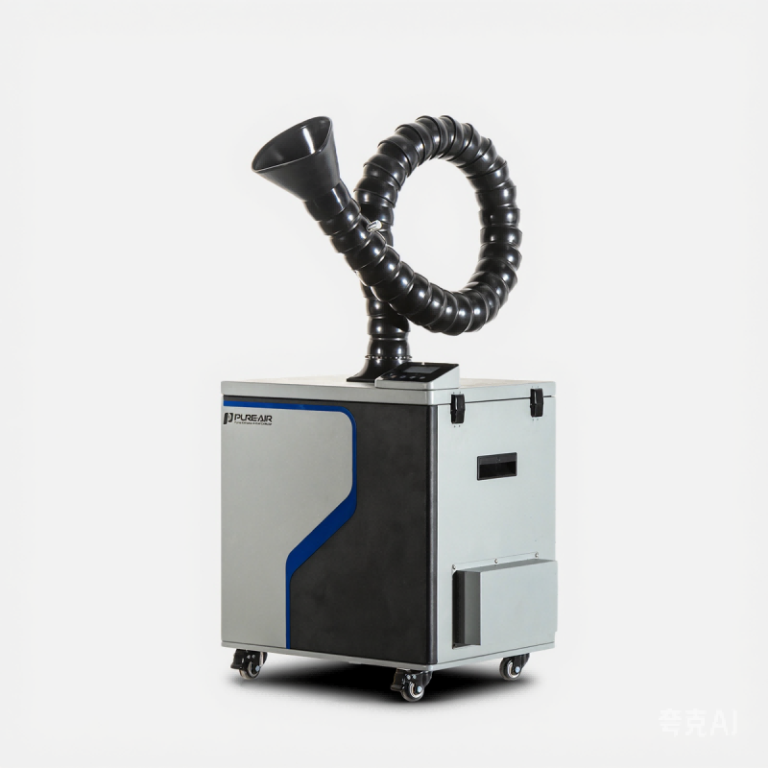
Where Traditional Systems Fail: The Hidden Flaws of Common Extractors
welding fumes dust collectors are sold as the obvious fix, but I’ve seen them installed and underperform for predictable reasons. First, most designs assume a steady, laminar airflow and consistent source location. In real assembly lines, welders move, robots change angle, and spatter varies. The result: poor capture efficiency, re-entrainment of particles in ductwork, and clogged pre-filters. We call that mismatch a design gap — and it costs time and money every shift.
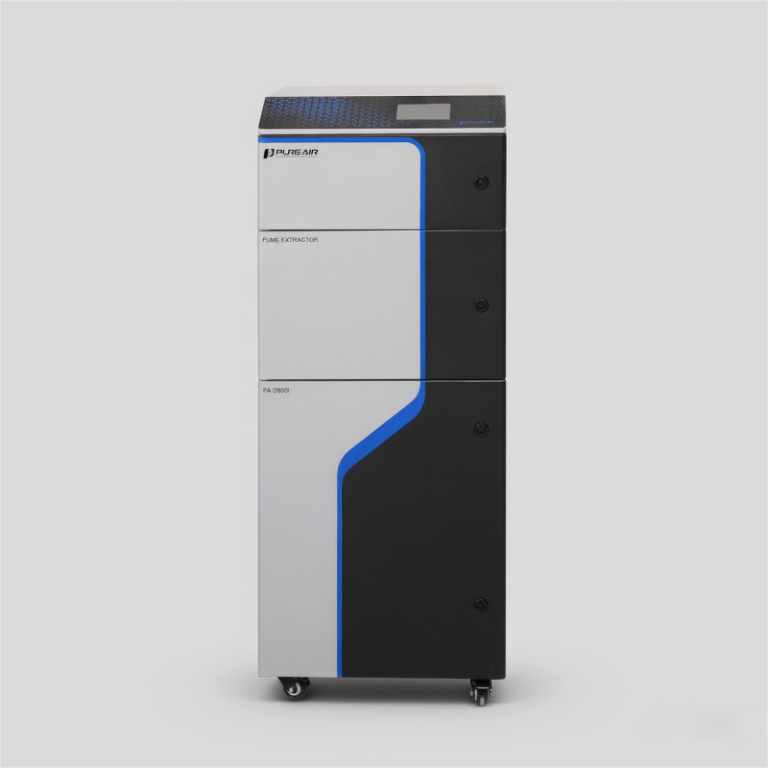
Second, many plants rely on undersized fans and long duct runs to a central collector. That increases static pressure losses and reduces airflow velocity at the hood tip. The simple math of airflow (CFM vs. velocity) gets ignored under production pressure. Add aging HEPA filters and you’ve got rising energy draw and maintenance downtime. Look, it’s simpler than you think: better hood placement and proper duct sizing cut exposure more than just buying a bigger collector. I’m not romanticizing; I’m calling out avoidable mistakes. We need to rethink capture strategy, not only buy another cyclone separator and hope for the best.
Why does fit and airflow matter?
New Principles and Future Directions for Cleaner Air
Moving forward, I focus on two practical principles: local capture optimization and smart systems integration. Modern welding fumes dust collectors pair smaller, purpose-placed hoods with sensors that monitor airflow velocity and particulate counts in real time. That means we can reduce overdraw, cut energy use, and keep capture efficiency high where welds actually happen. I like systems that combine decent HEPA filtration with pre-separation stages to protect filters and lower maintenance frequency — and yes, that usually pays for itself in months.
Second, integrate controls: variable-speed drives, local pressure sensors, and simple dashboards give plant staff actionable feedback (not just blinking lights). We’re also seeing edge computing nodes handle local data, so the control loop is fast and reliable without clogging enterprise networks. The result is cleaner air, fewer filter swaps, and a happier crew. — funny how that works, right?
What’s Next: Evaluating Solutions
When I advise teams, I evaluate three simple metrics: capture efficiency at the source, total cost of ownership (energy + filter + labor), and ease of maintenance. Here’s how I apply them: measure hood performance with anemometers, track filter differential pressure over weeks, and calculate lifecycle cost — not just sticker price. I recommend choosing systems that let you swap pre-filters quickly, that offer modular fans or power converters for easy service, and that document ductwork losses so you can improve balance. These criteria spot winners fast.
In short: don’t be seduced by a single spec sheet. Test on the line, involve welders in the trial, and prioritize steady capture and low downtime. We’ve learned that practical engineering beats one-size-fits-all selling every time. If you want a partner that understands both shop-floor realities and the tech (airflow, HEPA, ductwork), check solutions from PURE-AIR.